When local SEO comes to mind, Google Maps is the first thing that comes to mind. It is no wonder. The Map Pack occupies the very top of local search engine rankings, holds attention through pins, stars, and directions, and can break or make for a business.
But the truth is, local SEO is much larger than Google Maps. If your whole strategy depends on the Map Pack in isolation, you are leaving out a massive chunk of how actual customers search, find, and purchase.
Let us dissect why local SEO is larger than Maps, and how to create a whole strategy that addresses all aspects.
Google Maps is Power—But Not the Whole Deal
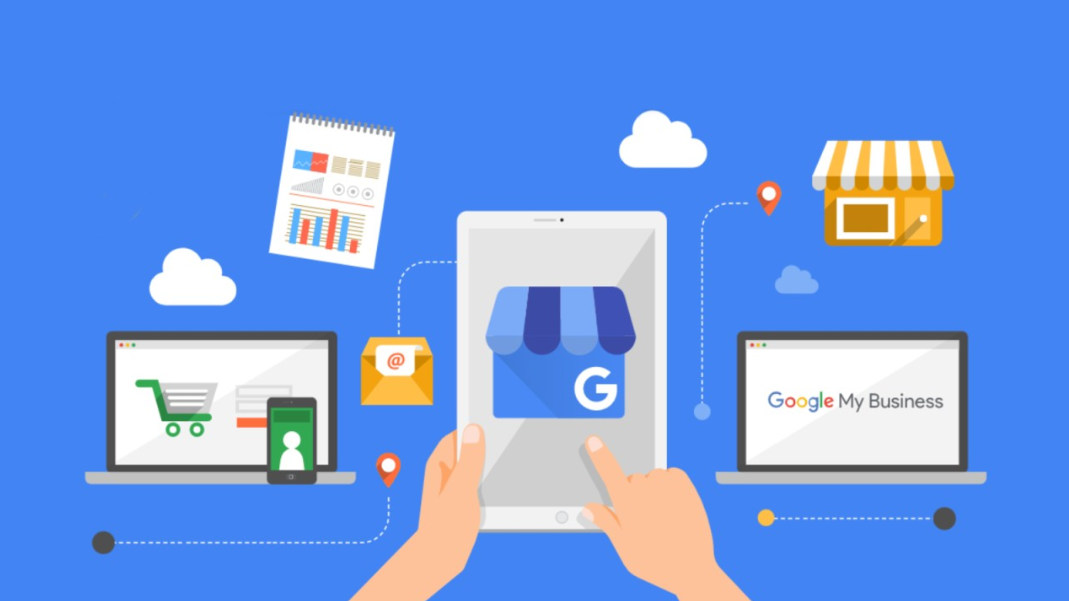
After all, appearing in the Map Pack is big. The top three results (the “local 3-pack”) receive most of the clicks, calls, and directions requests. Having your Google Business Profile (GBP) optimized, getting reviews, and pushing out updates are all big steps.
But the catch is this: Google does not just evaluate Maps signals. Local search rankings relate to your website, your online image, and your presence overall on the net. Even if you are currently ranked in Maps, you can fall behind tomorrow if the rest of your local SEO is behind.
Think of Maps the store window. It grabs the eyeballs. But what is inside the window, the location, the reviews, the stuff online—has everything to do with whether people walk in and buy.
The Other Pillars of Local SEO
Now, let us explore the other vital considerations Google considers when determining who gets to rank locally:
1. Local Landing Pages
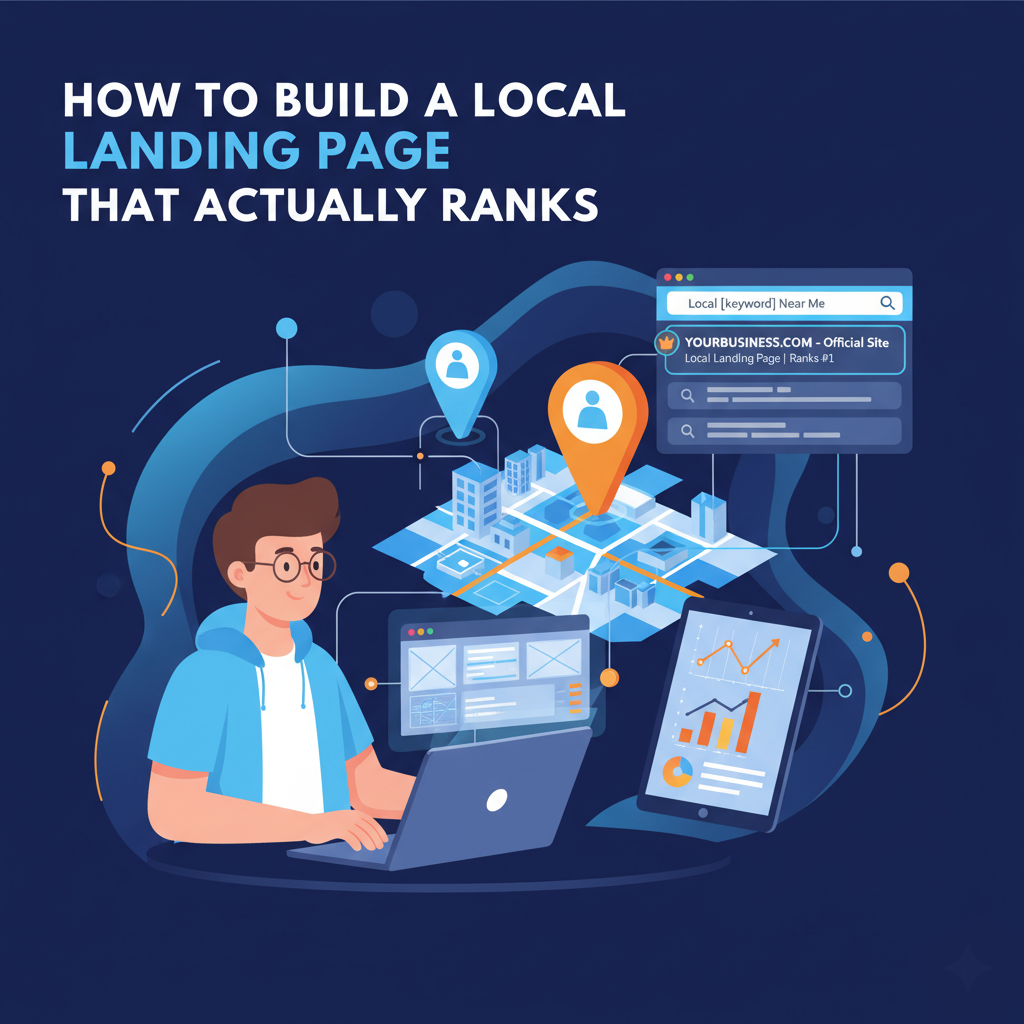
If your website does not have strong, location-specific landing pages, you are handicapped by your SEO. Google cross-references your GBP with your site. If the content, keywords, and service areas match, your authority goes up.
For example, a plumbing company in Queens that has a “Plumber in Queens” landing page, optimized with local terms and FAQs, will usually outrank one that only relies on a GBP listing.
2. On-Site SEO
Piece like title tags, meta descriptions, schema markup, and internal linking all play into local rankings. Google needs to identify your site is technically healthy and it is relevant to local searches.
A mobile-friendly, fast website with uncluttered optimization is not simply about usability, it is a ranking factor.
3. Backlinks & Citations
Naming your business, address, and telephone number (NAP) wherever directories, trade websites, and local media are mentioned lends credibility. A GBP without corroborating quotes sounds false, such as a store with no evidence to validate the store being outside a mall.
4. Reviews Across Platforms
Absolutely, Google reviews are most important. But Yelp, Facebook, industry directories, and even specialty sites all contribute to building your authority. Quality, consistent reviews across multiple sites reinforce your overall local profile.
5. Content Marketing
Blogging, local guides, how-to articles, and even videos show Google that you are active and authoritative. A dentist that publishes content about “Top Pediatric Dentists in Brooklyn” or “How to Manage Tooth Pain Before Your Appointment” builds trust—and rankings.
Why Customers Do not Only Use Maps
Think about how real people search. Sometimes they open Maps, sure. But other times they type “best Italian restaurant near me” into Google Search. Or they ask Siri or Alexa. Or they scroll Instagram for local recommendations.
If your business shows up only in Maps but nowhere elsewhere, no website rankings, no social proof, no mentions in local directories, you are invisible to a sizable chunk of customers.
Google is aware of this as well. That is why Maps rankings are based more on your GBP. They must bring to the front businesses with a complete digital presence, not flat listings.
The Risks of a Maps-Only Approach
Being dependent on Google Maps alone leaves you open to numerous risks:
- Algorithm instability: Google continuously alters the way they rank local businesses. Any single update could ruin your traffic if Maps is your sole activity.
- Over-reliance on reviews: Some businesses pursue reviews very aggressively, even unethically. If Google catches you faking reviews, you can become invisible in a day.
- Lost organic traffic: Most high-intent searches break on sites, not Maps. Without strong site rankings, you are missing those conversions.
- Competitor advantage: Better sites, backlinks, and content will prevail overall—regardless of what your GBP currently looks like.
Creating a Local SEO Strategy Outside of Maps
This is what a full, equitable local SEO plan is made of:
Step 1: Optimize Google Business Profile
This is still your anchor. Complete every field, add categories, add images, utilize posts, and answer reviews.
Step 2: Build Compelling Local Pages on Your Site
Every area you serve should have an optimized page. Use local keywords, service descriptions, reviews, FAQs, and an embedded map.
Step 3: Optimize Site Speed
Compress images, increase load time, implement schema markup, and build your website mobile-first. Over 60% of local search queries happen on mobile.
Step 4: Obtain Backlinks and Citations
Register your business regularly on Yelp, Yellow Pages, TripAdvisor, Angi, and industry directories. Pitch local bloggers, host events or sponsor events, or partner with local influencers for backlinks.
Step 5: Get Reviews Across Platforms
Get delighted customers to review you not just on Google but Yelp, Facebook, or your industry sites. The bigger your footprint of reviews, the more authoritative you look.
Step 6: Publish Local Content Regularly
Write about your community, create local service guides, and publish local news or customer success stories. It wins trust from search engines and people alike.
Step 7: Monitor and Optimize
Use Google Search Console, Google Analytics, and GBP Insights to see where traffic is coming from and where you are losing ground. Adjust accordingly.
Local SEO is About Visibility Everywhere
Here is the takeaway: local SEO is not about a single platform. It is about being present wherever your customers are looking—Maps, Search, voice assistants, directories, social media, and more.
Yes, command the Map Pack if you can. But ensure your site, citations, content, and reviews back it up. That is what will sustain you even when algorithms change.
Those businesses that finally make it are those who see local SEO as an ecosystem, not as a strategy. Google Maps can be the hub, but just half the story.
At Oastreck, we provide numerous services to help your business outstand in the market. Check out Oastreck’s services:
- Website SEO: Unlock visibility with search engine optimization (SEO)
- Google Ads PPC: Turn clicks into customers with expert PPC management!
- Web Design & Development: Craft Digital Excellence
- Google Maps Management: Optimized business listing for local search
- And much more!
We provide the best facilities for businesses. Our local expertise with global reach and impactful success stories proves our ambition of helping businesses grow. We work via a five-step process including a discovery call, business audit, best solutions, contract details and finally the execution. Give a call today to get your First FREE AUDIT.
Final Thoughts
If visibility in your local area matters, do not think about map pins. Think large. Think about how customers are looking, where they are congregating online, and what it will take for Google to have greater confidence in your business than the next guy.
When you combine your Maps optimization with solid website SEO, reviews, links, and copy, you do not just appear to shine. And in a world where local searches are increasingly often driving real-world purchases, that is being found versus being lost.
If you’re looking for an agency that understands real-world business, book a free strategy call and get your Free Audit today. No pressure. Just clarity.