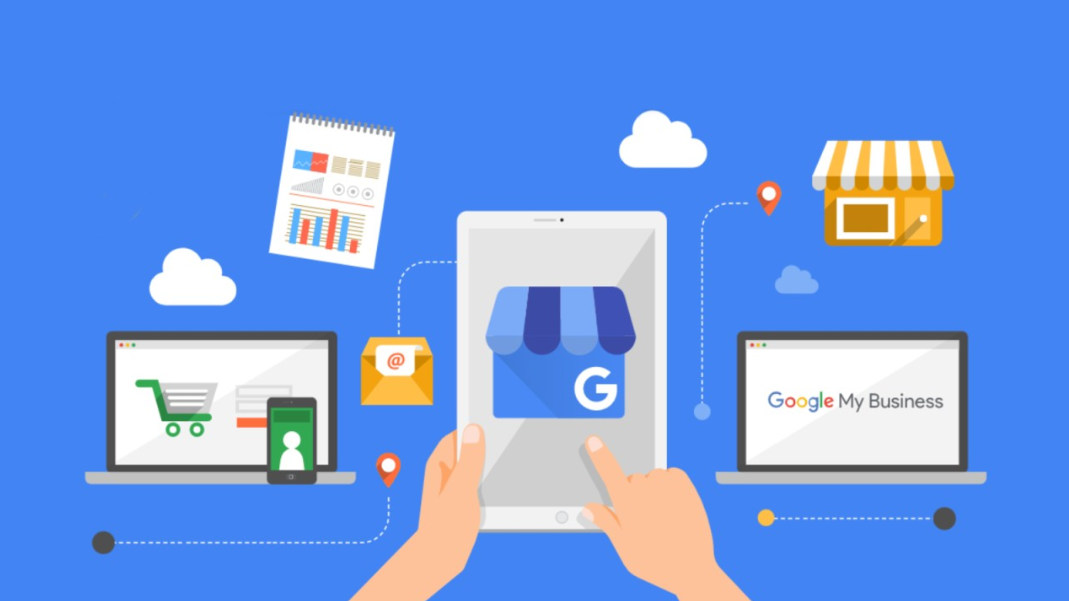
Your business might offer wonderful service. But if your Google Business Profile category is not specific enough or is inaccurate, you will not show up on Maps when people search for what you do.
That’s because Google is using your main category to realize what business you have—and what type of searches you need to appear for. It’s one of the largest ranking factors in local SEO. The incorrect category = lost calls, fewer leads, and lost visibility.
It’s not hard to do it correctly. But it does take some thought.
What is a Google Business Category, Precisely?
When you’re creating or editing your Google Business Profile (GBP), the very first thing Google will request of you is your business category. You don’t have the option to type this in yourself—it’s a pre-determined list of options you must choose from.
Examples:
- Plumber
- HVAC contractor
- Roofing contractor
- Backflow prevention service
- Water heater installation service
Your primary category tells Google is your primary service. You may also choose secondary categories to describe other services you offer.
The Main Category Determines Your Position
Google Map Pack (the first 3 results on Google Maps) is based on three variables:
- Relevance – How closely your profile aligns with the search
- Distance – How close you are to the person searching
- Prominence – How well established and trusted your company appears online
Your category primarily affects relevance. So, if a person searches by typing “emergency plumber near me” and your account is “Plumbing Supply Store,” you will not show up. Even if you perform emergency plumbing.
That is why your category must be what is searched for.
Step-by-Step How to Select the Proper Business Category
Let’s break it down.
1. Think Like a Customer
- What would they Google if they needed your service?
- Would they search for “home services” or “plumber”?
Probably “plumber.” So, there’s your first clue.
Experiment with some test searches in your area—like:
- “Plumber near me”
- “Roof repair [your city]”
- “HVAC contractor in [city]”
Look at the top results in the Map Pack. Open them up and look at their top category. If all the tops are using “Plumber,” then that’s probably what you would use too.
2. Use Google’s List, Not Your Imagination
Google will not permit you to create categories. It gives you a list with which to work. Use this free category list generator created by Plepler to see all the options.
Search your service and compare:
- “Plumber” and “emergency plumber”
- “HVAC contractor” or “Heating equipment supplier”
- “Backflow prevention service” and “Water utility company”
Be as specific as you can without being untruthful.
3. Line Up the Category With What You Really Do
Don’t cheat. You might be tempted to pick a high-traffic category just so more people see you—but if it doesn’t really fit you, it isn’t worth it.
Ask
- What’s your core service?
- What generates most of your income?
- What would you like to search for?
That’s your main category. Then, apply secondary categories to the rest
Example of a plumbing company:
- Primary: Plumber
- Secondary: Drainage service, Water heater installation, Emergency plumber, Backflow prevention service
4. Make It Consistent Throughout the Web
If your website has “plumbing contractor,” your GBP has “home improvement,” and your Facebook has “water repair service,” Google gets confused. That hurts your chances of appearing in the Map Pack.
Keep your business name, address, phone (NAP), and category consistent on:
- Your site
- Yelp
- Apple Maps
- Local directories
It creates credibility and transparency with search engines.
5. Test and Refine Over Time
If you’re not getting clicks, calls, or traffic after a few weeks, you may need to switch categories.
You can adjust it—just don’t adjust it every other day. Give it a rest for at least a few weeks while monitoring:
- Impressions
- Profile views
- Calls
- Direction requests
Monitor performance through Google Business Insights.
Using Secondary Categories, the Right Way
Your primary category is most beneficial. Secondary categories can help you show up for related searches—if they’re relevant.
Good example
You are a water heater installation firm with plumbing services as well.
- Primary: Plumber
- Secondary: Installation of water heater
Bad example:
You’re a roofer but put “HVAC contractor” in there just to drive some traffic. If you don’t do HVAC, that’s dishonest—and risky.
Google likes simplicity, not keyword stuffing.
Make Your Category Relevant to Your Site and Content
Google likes consistency between your website and your Business Profile. This is how you cement that connection:
- Utilize your category on your homepage title and description
- Use it in your H1 and subheadings
- Include it in your Google Business description
- Clearly outline your services on your website content
If your profile is “Backflow prevention service,” but it’s never mentioned on your website, you’re not going to rank for it.
Real Example: Small Shift, Big Impact
Let’s say that you are a Queens plumbing company. Your category is “Home Services.” You are wondering why you don’t show up if someone searches for “plumber in Queens.”
You update your top category to “Plumber.” Within a couple of weeks, you start to see more map views, more direction requests, and more calls.
That is the power of category relevance.
Be cautious about Auto-Changes
Google sometimes automatically alters your category when Google feels that it finds better information somewhere else. If they do so, you will be notified. Make sure to review and approve those changes.
You may re-set your correct category yourself at any time. Final Take: Don’t Treat Category Like a Checkbox It’s a small step, I suppose. Just pick a category and get it over with, isn’t it? Incorrect. It’s one of the best things you can do to make yourself more visible in your area. It informs Google everything about who you are, whom you serve, and when to display you to potential clients.
Do this one thing correct, and you can experience a gigantic boost to your Google Maps rankings—without ever having to spend a dime on advertising. Need Assistance in Choosing the Right Category?
We provide the best facilities for businesses. Our local expertise with global reach and impactful success stories proves our ambition of helping businesses grow. We work via a five-step process including a discovery call, business audit, best solutions, contract details and finally the execution. Give a call today to get your First FREE AUDIT.
If you’re looking for an agency that understands real-world business, book a free strategy call and get your Free Audit today. No pressure. Just clarity.