If you’ve ever searched for something local—like “plumber near me” or “best pizza in town” you’ve seen Google’s Map Pack. It’s that set of three listings above the ordinary organic results with star ratings, hours, and directions. And for local businesses, being listed in that Map Pack can be the difference between making a marginal living and flourishing.
So how do you get in? How does Google determine which businesses to allow in? And most importantly—how can you improve your odds right now?
Here’s a breakdown.
1. Know How the Map Pack Works
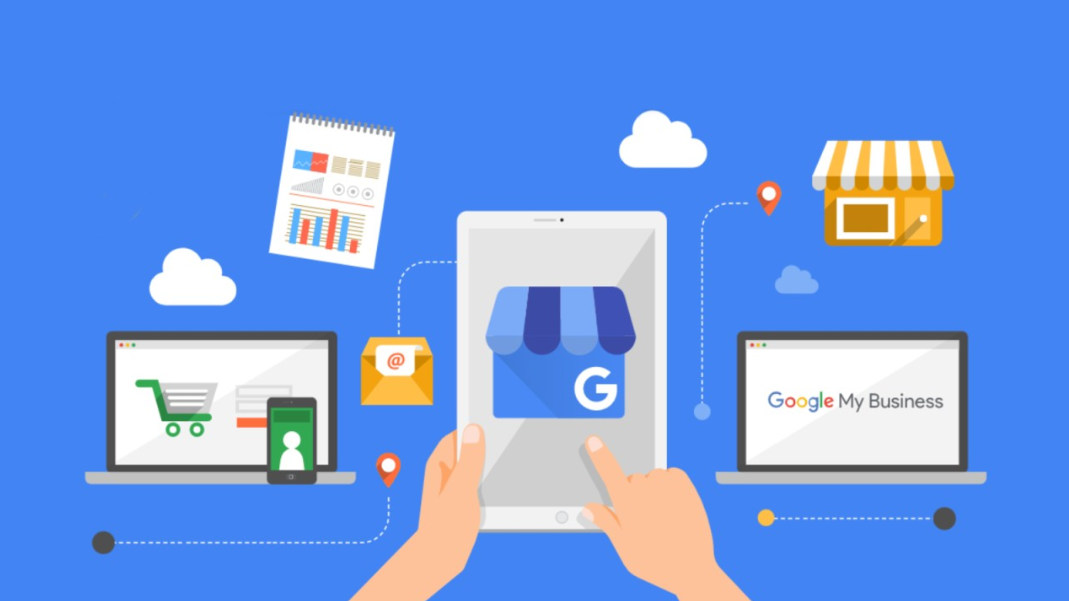
Google’s Map Pack (otherwise known as the local 3-pack) is a component of Google’s algorithm for local search. It lists three local companies appropriate to a user’s search, usually drawn from Google Business Profiles (previously Google My Business).
Map Pack places businesses in order of three fundamental factors:
- Relevance: The quality of how your listing aligns with what the user has searched.
- Distance: The proximity of your company to the location of the searchers.
- Prominence: How well known and trusted your company is online.
You can’t fake distance. Relevance and prominence? Strategy is involved there.
2. Claim and Optimize Completely Your Google Business Profile
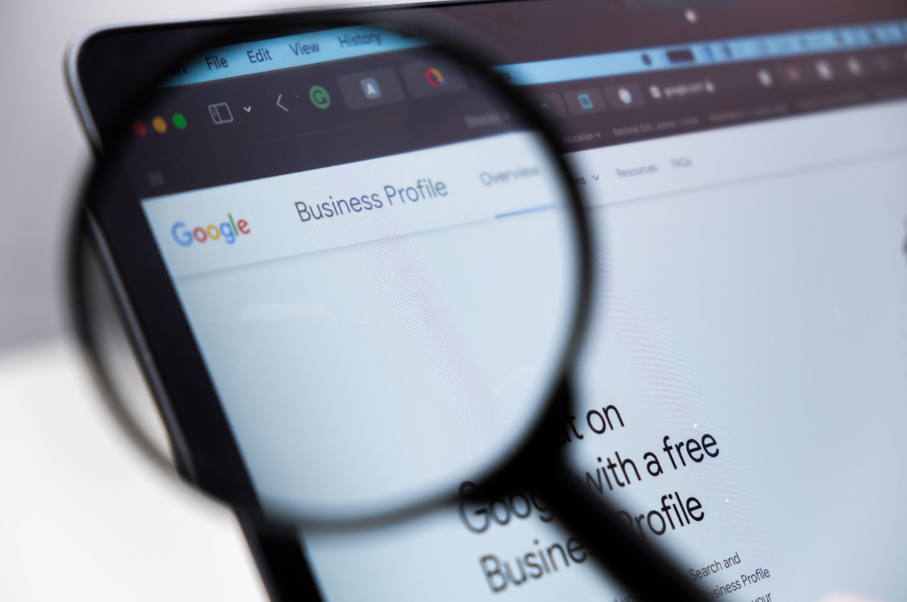
If you haven’t done so, claim your Google Business Profile now. It’s free, and it’s the gateway to the Map Pack.
After claiming, optimize each category:
- Business Name: Put up your true business name, do not load keyword it (you’ll be penalized by Google).
- Category: Choose the most niche first-level category (e.g., “Plumber,” “Roofing Contractor,” “HVAC Service”) and applicable second-level categories.
- Address & Service Area: Enter your complete NAP (Name, Address, Phone) and describe your service area.
- Hours: Make them current, including holidays.
- Description: Use 750 or fewer characters to tell Google (and customers) who you are and what you do. Naturally, incorporate local keywords.
- Photos: Post real, high-quality photos on a regular basis—of your work, your staff, your shop or equipment.
- Services and Products: Post all services you provide and add detailed descriptions.
The more comprehensive your profile is, the more signals Google has to understand your business.
3. Consistent NAP Across the Web
Your NAP (Name, Address, Phone) must be consistent everywhere. Google cross-checks your information in directories, citations, and websites. When you list your business as “Oastreck Plumbing Services” on Yelp but “Oastreck Plumbers” on Facebook, you’re giving conflicting messages.
Review your NAP consistency on:
- Your website
- Yelp
- Yellow Pages
- Apple Maps
- Bing Places
- Local directories
4. More (and Better) Reviews
Online reviews are a giant trust indicator for both Google and consumers.
To rank in the Map Pack, it’s not so much about how many—it’s about:
- Frequency: Are you reviewing on a regular basis?
- Quality: Are reviews packed with targeted keywords?
- Diversity: Are they being populated by Google and elsewhere?
- Engagement: Are you answering reviews (particularly the nasty ones)?
Make your happy customers review you. Just a simple follow-up e-mail or text message is all you require.
Pro tip: Weave naturally occurring keywords into your responses. If they say, “Great service,” you can reply with:
“Thanks! We’re glad that you enjoyed our Brooklyn plumbing repair service. Let us know if you need anything else.”
That benefits both relevance and local SEO.
5. Put Localized Content on Your Website
Your site is still a major contributor. Utilize it to aid in local SEO by incorporating location-based content:
- Service pages such as: “Emergency Plumbing in Queens”
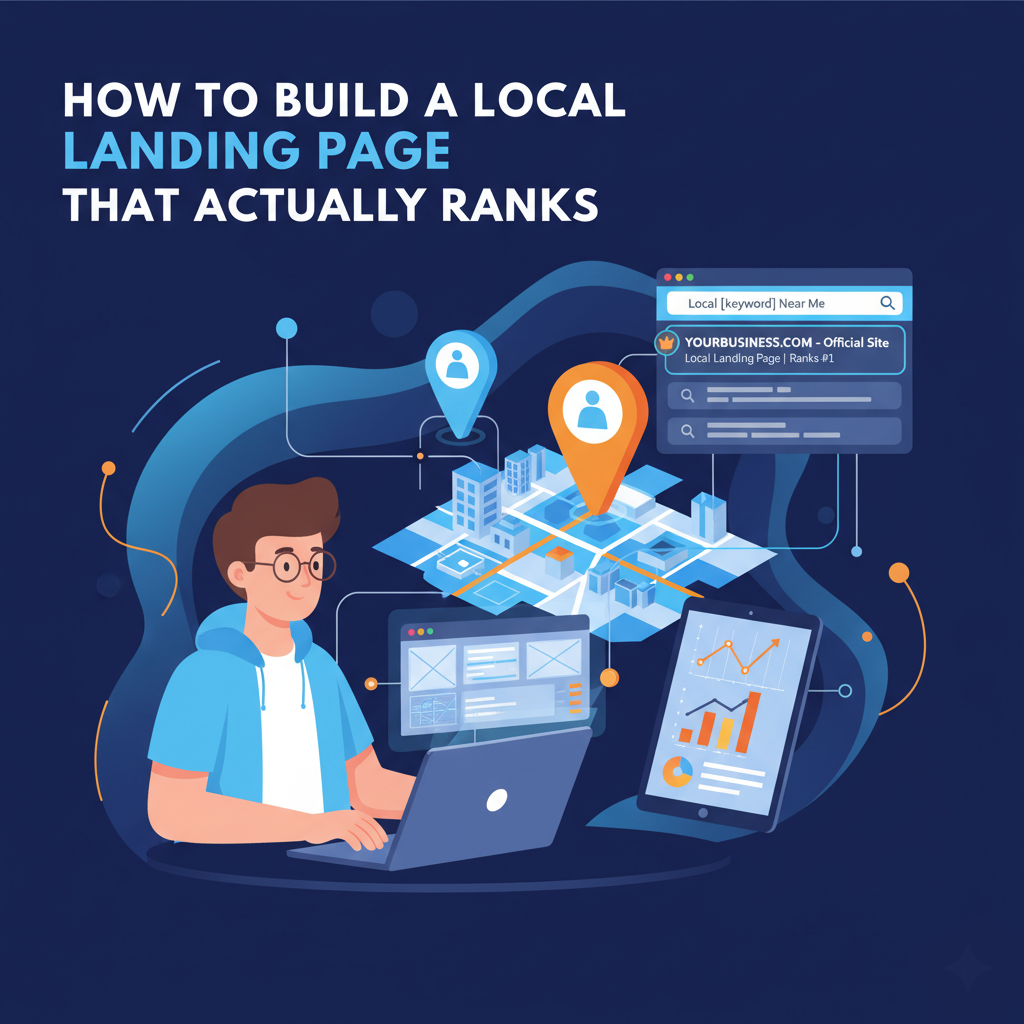
- City-specific landing pages
- Local blog posts: “How to Winterize Your Pipes in Brooklyn”
- Put a Google Map of your location on your site and add clickable NAP information in your footer.
Also make your site mobile-friendly and fast. Bad mobile experience = lower rankings.
6. Create Local Citations
Citations are references to your business information on other websites—even if they don’t link back to you.
Some high-quality citation sources:
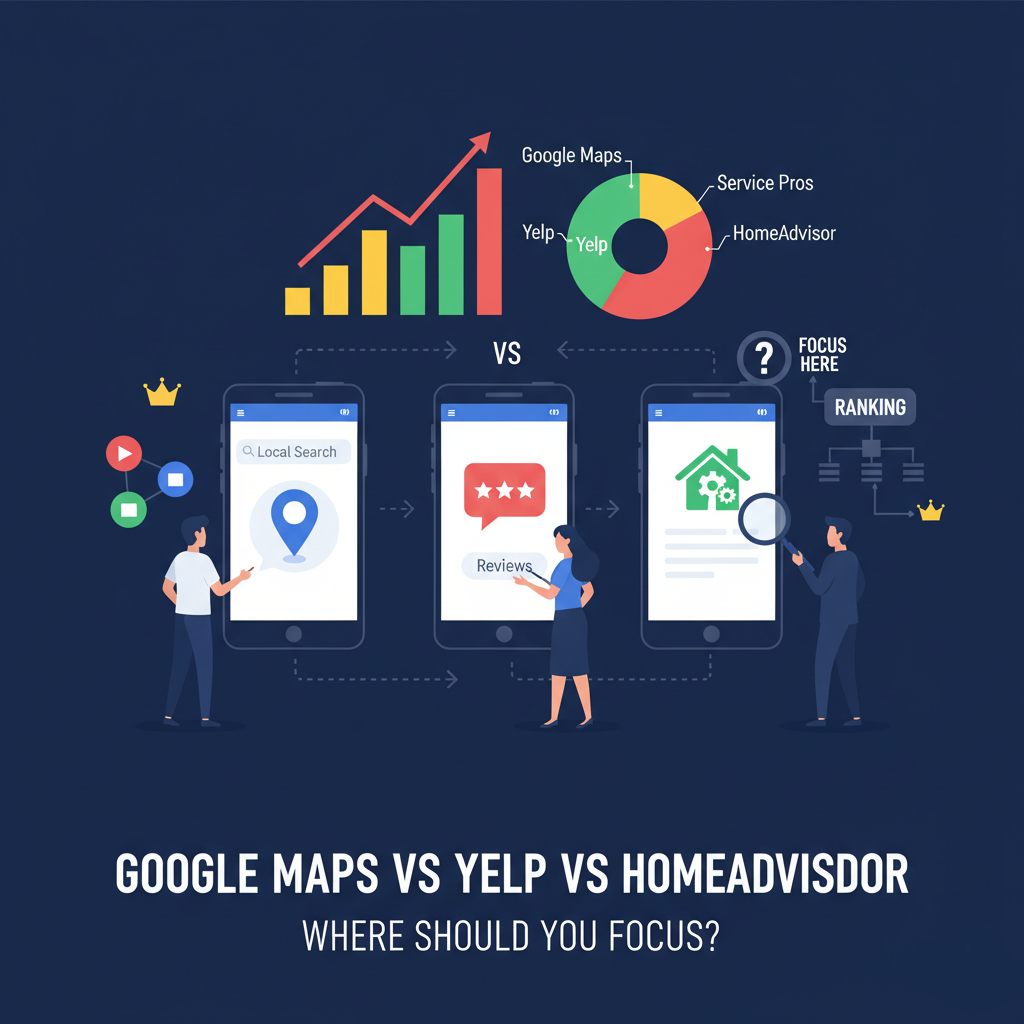
- Yelp
- Better Business Bureau (BBB)
- Angie’s List
- HomeAdvisor
- Local Chamber of Commerce
- Industry-specific directories
The more authoritative and relevant the site, the higher the SEO juice.
7. Develop Location-Specific Backlinks
Backlinks matter—local SEO as well. But you don’t need thousands.
What work best for Map Pack rankings are:
- Local backlinks from newspapers, blogs, community sites
- Partnerships with local events or charity events (get a mention and link)
- Guest blogging on local business blogs
- Sponsorships (e.g., school events, neighborhood sports clubs)
Each genuine local backlink boosts your authority in Google’s eyes.
8. Post Frequently on Google Business Profile
This is overlooked—but powerful.
Use Google Posts to share:
- Announcements
- Promotions
- Events
- Blog posts
- Holiday advice
These keep your profile active, and both inform users and Google about your business.
Post at least weekly.
9. Use the Correct Keywords Strategically
- You can’t just have “best local plumber” on your front page and hope to rank. Your keyword plan must be attuned to:
- What services you provide
- Where you provide them
- What customers are really searching for
Use keywords in:
- Title tags
- Meta descriptions
- Headings (H1, H2)
- URL slugs
- Page content
- Alt text for images
But don’t overdo it. Be natural.
10. Monitor, Analyze, and Optimize
Local SEO is not a set-and-forget process.
Utilize tools such as:
- Google Business Insights (to monitor profile views, calls, direction requests)
- Google Analytics (to see site traffic and behavior)
- Google Search Console (to see how you rank for keywords and solve technical problems)
Also, monitor how you’re doing in the Map Pack over time. Tools such as Bright Local or Local Viking allow you to monitor keywords in your service area.
Ongoing to adjust your plan based on what is working.
Final Thoughts: Be Patient and Stay Consistent
Ranking in Google’s Map Pack doesn’t happen overnight. It’s a mix of consistent local SEO work, reputation building, and smart optimization. But once you’re in, the visibility boost can transform your business.
Too busy or too short on time? That’s where Oastreck is here to assist. We assist local service companies like yours in ranking within the Map Pack and taking over your local territory. From listing optimization to review campaigns and backlinks—got your back.
Need Help Ranking in Google’s Map Pack?
Oastreck is an expert in local business online visibility. Get in touch with us today for a complimentary local SEO audit and let’s come up with a strategy for your road to the top.
At Oastreck, we specialize in working with local businesses—roofers, plumbers, HVAC pros, and solar installers who want marketing that works. We offer several solutions to your problem. Check out Oastreck’s services:
- Website SEO: Unlock visibility with search engine optimization (SEO)
- Google Ads PPC: Turn clicks into customers with expert PPC management!
- Web Design & Development: Craft Digital Excellence
We provide the best facilities for businesses. Our local expertise with global reach and impactful success stories proves our ambition of helping businesses grow. We work via a five-step process including a discovery call, business audit, best solutions, contract details and finally the execution. Give a call today to get your First FREE AUDIT.
If you’re looking for an agency that understands real-world business, book a free strategy call and get your Free Audit today. No pressure. Just clarity.